What Are Bleeding Gums?
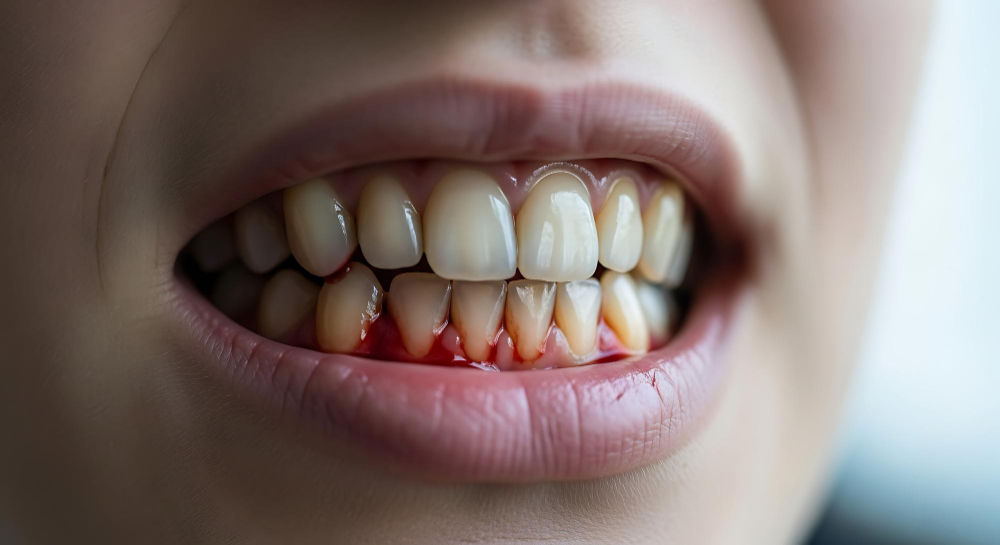
Bleeding gums happen when your gums bleed easily, often during brushing or flossing. Sometimes, you may notice blood on your toothbrush or in the sink. While it may seem minor, bleeding gums can be an early warning sign of gum disease. In many cases, this symptom points to problems with your oral health. Therefore, it is important not to ignore bleeding gums. Early action can help prevent more serious issues.
Common Symptoms of Bleeding Gums
Bleeding is not the only sign of gum problems. In fact, you may notice other symptoms along with bleeding gums. Watch for these signs:
For example, if your gums look puffy or feel sore, this could mean you have gum disease. Early symptoms are often mild, but they can get worse over time.
Causes of Bleeding Gums
There are several reasons why gums may bleed. Most often, bleeding gums are caused by poor oral hygiene. However, other factors can also play a role. Here are some common causes:
Because many causes are linked to daily habits, small changes can make a big difference.
How Bleeding Gums Are Diagnosed
First, your dentist will ask about your symptoms and daily oral care. Next, they will examine your gums for signs of swelling, redness, or bleeding. Sometimes, your dentist may use a small tool to check for gum pockets. In some cases, X-rays help show if bone loss has started. If needed, your dentist might ask about your medical history or order blood tests. Early diagnosis can help prevent gum disease from getting worse. According to the CDC, regular dental checkups are key for early detection.
Effective Treatments for Bleeding Gums
Treating bleeding gums depends on the cause. Often, improving your oral hygiene is the first step. Here are some effective treatments:
In some cases, your dentist may suggest special treatments for gum disease. For example, deep cleaning or scaling may be needed. The World Health Organization (WHO) recommends regular dental care to prevent gum problems.
Prevention Tips for Healthy Gums
Preventing bleeding gums is easier than treating them. With a few simple steps, you can keep your gums healthy. Try these oral health tips:
Additionally, regular checkups help catch problems early. Good habits can prevent bleeding gums and other gum disease symptoms.
When to See a Dentist
If your gums bleed often, do not wait to seek help. You should see a dentist if:
Early treatment can stop gum disease from getting worse. Therefore, it is best to act quickly if you notice any warning signs.
In summary, bleeding gums are an early warning sign you should not ignore. For personalized advice on bleeding gums, consult Dr Asma Parveen today.