What Is Full Mouth Rehabilitation?
Full mouth rehabilitation is a dental treatment that restores all teeth in the mouth. Often, this process is called complete smile restoration. Dentists use it for people with many damaged teeth. Because it combines several dental procedures, it can help improve chewing, speech, and appearance. For example, treatments may include crowns, bridges, implants, or veneers. Full mouth rehabilitation is part of restorative dentistry, which focuses on fixing and replacing teeth. As a result, patients can enjoy better oral health and a confident smile.
Common Causes of Damaged Teeth
Many factors can lead to damaged teeth. Sometimes, damage happens slowly over time. In other cases, it can occur suddenly. Understanding these causes helps you protect your teeth. For instance, common reasons include:
Because these issues are common, regular dental checkups are important. The Centers for Disease Control and Prevention (CDC) notes that early care prevents many dental problems.
Signs You May Need Full Mouth Rehabilitation
Sometimes, it is hard to know when you need full mouth rehabilitation. However, several signs may point to this need. For example, you may notice:
Because these symptoms can affect daily life, it is wise to talk to a dentist if you notice them. Early action can lead to better results.
Diagnosis and Assessment Process
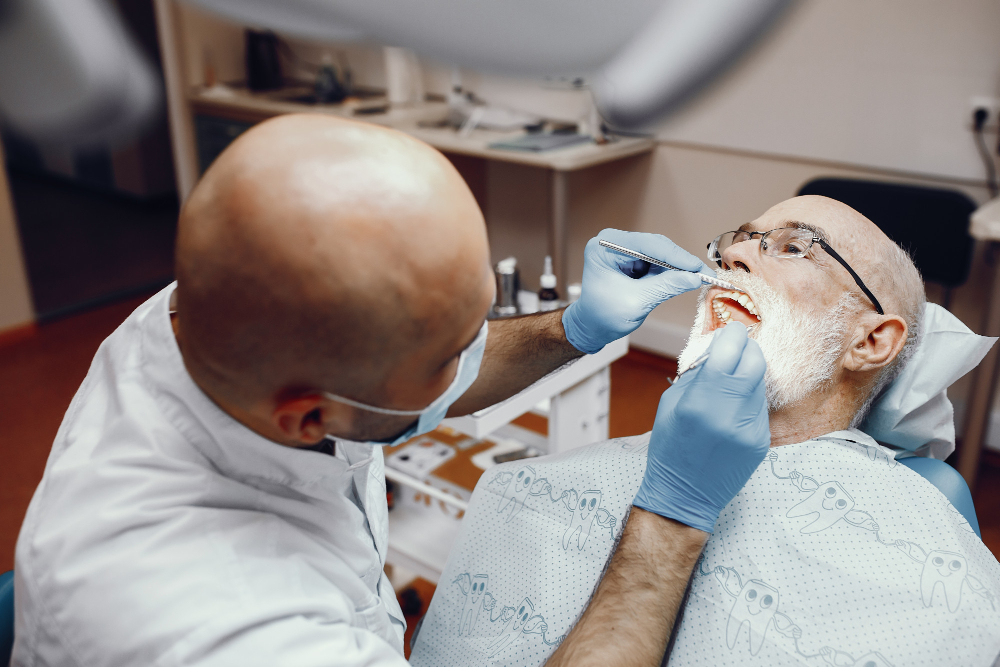
First, your dentist will do a full exam to check your teeth, gums, and jaw. They may use X-rays or digital scans to see hidden problems. Next, your dentist will talk with you about your health and dental history. Because each person is different, this step helps create a custom plan. Sometimes, your dentist may work with other dental specialists. For example, they may consult a gum expert or a jaw specialist. This team approach ensures you get the best care for your dental reconstruction.
Treatment Options for Complete Smile Restoration
Full mouth rehabilitation uses several treatments to restore your smile. Your dentist will choose the best options for your needs. Common treatments include:
Because every case is unique, your dentist will explain each step. The goal is to give you a healthy, natural-looking smile.
What to Expect During the Procedure
At first, your dentist will explain the full plan and answer your questions. Often, treatment happens in stages. For example, you may need several visits over a few months. During each visit, your dentist will focus on a part of your mouth. This helps keep you comfortable and allows for healing. Sometimes, you may get temporary teeth while waiting for final restorations. Because the process can take time, your dentist will guide you at every step.
Recovery and Aftercare Tips
After full mouth rehabilitation, caring for your new smile is important. Your dentist will give you clear instructions. For example, you should:
Because healing times vary, always follow your dentist’s advice. Good care helps your dental reconstruction last longer.
Preventing Future Dental Damage
After your complete smile restoration, you can take steps to protect your teeth. For instance, you should:
Because prevention is key, these habits can help you keep your smile healthy for years. Consult Dr Asma Parveen