What Is a Dental Bridge?
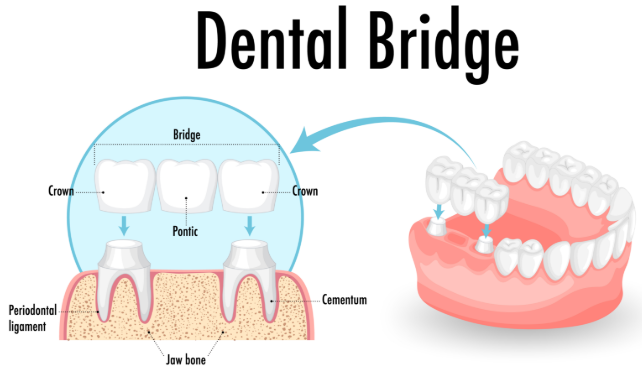
A dental bridge is a device that fills a gap left by missing teeth. Dentists use it to restore your smile and help you chew better. Usually, a bridge has one or more false teeth. These are held in place by the teeth next to the gap. Sometimes, dental implants support the bridge instead. Because it looks and feels like natural teeth, many people choose this option. However, even though it is strong, a bridge needs special care to last.
Why Proper Dental Bridge Care Matters
Proper dental bridge care keeps your bridge strong and your mouth healthy. Without good care, food and bacteria can collect around the bridge. As a result, you may get gum disease or tooth decay. In addition, poor care can make the bridge loose or damaged. According to the American Dental Association, caring for your bridge helps extend its lifespan. Therefore, learning how to care for dental bridges is important for your oral health.
Daily Cleaning Tips for Dental Bridges
Daily cleaning is one of the best practices for dental bridge maintenance. Not only does it keep your bridge clean, but it also protects your gums and other teeth. For best results, follow these tips:
Because cleaning under the bridge is tricky, your dentist can show you the right way. Over time, these habits will help extend dental bridge lifespan.
Foods and Habits to Avoid
Some foods and habits can harm your dental bridge. For example, hard or sticky foods may break or loosen the bridge. To keep your bridge safe, try to avoid:
Instead, choose soft foods and cut tough foods into small pieces. Because habits like smoking can also harm your gums, it is best to quit. With these changes, you help protect your bridge and mouth.
Regular Dental Check-Ups and Professional Maintenance
Even with good home care, regular dental visits are important. During check-ups, your dentist checks the fit and health of your bridge. In addition, they clean areas you may miss at home. The American Dental Association recommends seeing your dentist at least twice a year. Sometimes, your dentist may suggest more visits if you have gum problems. By keeping up with these appointments, you can catch small problems early and extend dental bridge lifespan.
Signs Your Dental Bridge Needs Attention
Sometimes, a dental bridge may need repair or adjustment. Watch for these signs:
If you notice any of these problems, contact your dentist soon. Early care can prevent bigger issues and help your bridge last longer.
Preventing Common Dental Bridge Problems
Preventing problems is easier than fixing them. For example, daily cleaning and regular dental visits help stop decay and gum disease. In addition, avoid using your teeth as tools or chewing hard foods. If you grind your teeth at night, ask your dentist about a mouthguard. Because dry mouth can raise your risk of decay, drink water often and ask about treatments if needed. By following these best practices for dental bridge maintenance, you can enjoy a healthy smile for years. Consult Dr Asma Parveen now.