
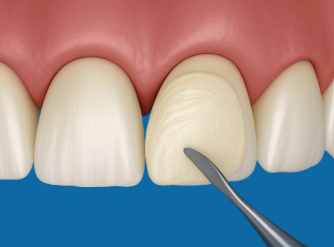
What is Composite Restoration?
Composite restoration is a dental treatment that repairs damaged or decayed teeth. Dentists use a tooth-colored material called composite resin. This material blends with your natural teeth. Because of this, composite restoration is also known as a tooth-colored filling. Many people choose this option for a natural look. According to the American Dental Association, composite dental restoration is safe and effective.
When is Composite Restoration Needed?
Often, dentists recommend composite restoration for several reasons. For example, you may need it if you have:
Sometimes, your dentist may suggest composite restoration in place of silver fillings. This is because composite looks more natural and bonds well to your tooth.
Step-by-Step Procedure
Understanding the composite restoration procedure can help you feel at ease. Here is what usually happens during your visit:
Most composite restoration procedures take less than an hour. However, larger fillings may need more time.
Benefits of Composite Restoration
Composite dental restoration offers many advantages. For instance, you may notice:
Additionally, composite restoration can last for many years with proper care. Many patients prefer it for front teeth or visible areas.
Aftercare and Maintenance Tips
Proper dental composite aftercare helps your filling last longer. Here are some easy tips:
Sometimes, you may feel mild sensitivity after the procedure. Usually, this goes away in a few days. If pain or discomfort lasts, contact your dentist.
Risks and Considerations
Although composite restoration is safe, there are some risks. For example, fillings can chip or wear down over time. Also, the color may stain if you drink a lot of coffee or tea. In rare cases, you may feel sensitivity to hot or cold foods. However, most people do not have serious problems. Your dentist will check your fillings during regular visits.
Frequently Asked Questions
For more information, you can visit trusted sources like the American Dental Association or the World Health Organization.
Consult Dr Asma Parveen to see if composite restoration is right for you.