What is Scaling and Polishing?
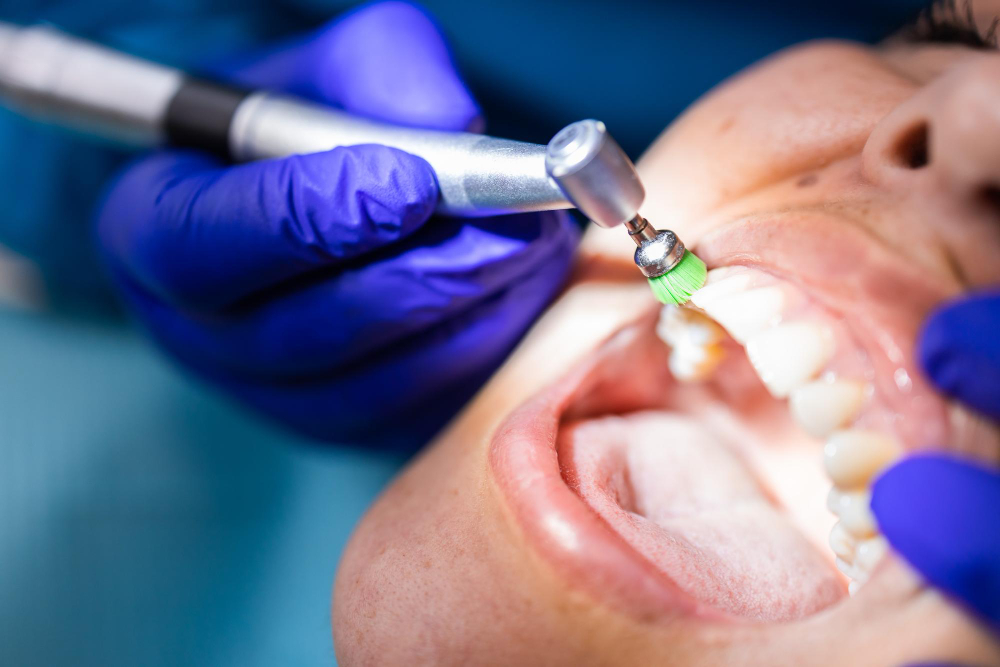
Scaling and polishing of teeth is a common dental cleaning procedure. Dentists use it to remove plaque and tartar from your teeth. Plaque is a sticky film of bacteria. Tartar is hardened plaque that can build up over time. Both can cause gum disease if not removed. During this treatment, your dentist cleans your teeth and makes them smooth and shiny. As a result, your mouth feels fresh and healthy.
Why is Scaling and Polishing Important?
Regular scaling and polishing of teeth helps keep your mouth healthy. Over time, even with daily brushing, plaque can build up in hard-to-reach areas. If left alone, this can lead to gum problems and tooth decay. Therefore, professional cleaning is important for everyone. In addition, it helps prevent bad breath and keeps your smile bright. Many dental clinics near you offer this service as part of routine care.
Step-by-Step Procedure
Knowing what to expect can make you feel more comfortable. Here is how the teeth scaling procedure usually works:
Most people find the process gentle and quick. However, you may feel mild discomfort if you have sensitive gums.
Benefits of Scaling and Polishing
There are many dental cleaning benefits. Some of the main advantages include:
Because of these benefits, dentists recommend regular scaling and polishing of teeth for everyone.
Aftercare Tips and What to Expect
After your dental cleaning, you may notice your teeth feel smoother. Sometimes, your gums might feel a bit tender or bleed slightly. This is normal and should improve in a day or two. To care for your teeth after scaling and polishing, try these tips:
If you notice heavy bleeding or pain, contact your dentist right away.
Prevention and Oral Hygiene Guidance
Good oral hygiene helps keep your teeth healthy between visits. For best results, follow these oral hygiene tips:
With these habits, you can reduce the need for frequent scaling and polishing of teeth.
Frequently Asked Questions
For more details, always ask your dentist during your visit.
Consult your dentist Asma Parveen for personalized advice on scaling and polishing of teeth.